Contents
- 1 What is Trust Wallet?
- 2 Understanding Coinbase Wallet
- 3 Security and Custody Comparison
- 4 Multi-Chain Support and Token Compatibility
- 5 DeFi and Web3 Capabilities
- 6 NFT Management and Digital Collectibles
- 7 User Experience and Interface Design
- 8 Integration and Ecosystem Benefits
- 9 Which Wallet Should You Choose?
- 10 Conclusion
- 11 Frequently Asked Questions
Choosing the right cryptocurrency wallet is crucial for your Web3 journey. With numerous options available, two popular mobile wallets often come up in discussions: Trust Wallet and Coinbase Wallet. Both offer mobile crypto storage, but they serve different needs and philosophies in the digital asset space.
Trust Wallet, backed by Binance, is a fully self-custodial wallet that gives you complete control over your private keys and supports over 10 million tokens across 100+ blockchains. Meanwhile, Coinbase Wallet represents Coinbase’s non-custodial offering, separate from their main exchange platform. Understanding the differences between these two wallets can help you make an informed decision about which platform best suits your cryptocurrency needs.
In this comprehensive comparison, you’ll discover the key features, security approaches, and user experiences of both wallets. We’ll examine everything from multi-chain support and DeFi capabilities to ease of use and mobile functionality, helping you choose the right wallet for your crypto journey.
What is Trust Wallet?
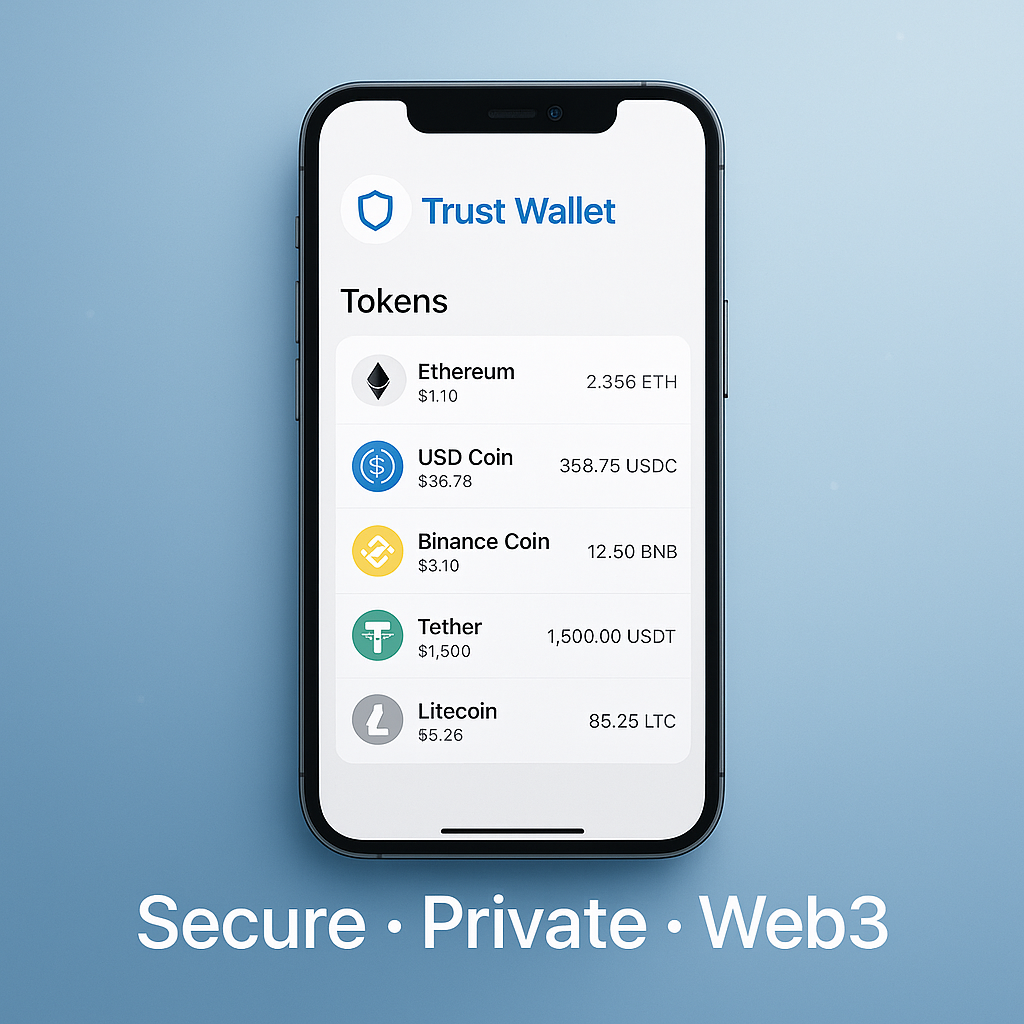
Trust Wallet is a leading self-custodial mobile cryptocurrency wallet that serves as your gateway to the decentralized web. Originally founded as an independent project, Trust Wallet was acquired by Binance in 2018 and has since become one of the most trusted names in mobile crypto storage.
As a self-custodial wallet, Trust Wallet ensures you maintain complete control over your private keys and recovery phrase. This means you’re truly the owner of your digital assets, with no third party having access to your funds. The wallet supports an impressive range of over 10 million tokens across more than 100 blockchains, making it one of the most comprehensive multi-chain wallets available.
Trust Wallet goes beyond simple storage, offering a built-in DApp browser for seamless Web3 interactions, an integrated NFT gallery for managing digital collectibles, and various earning opportunities through in-app staking. Whether you’re a beginner taking your first steps into cryptocurrency or an experienced DeFi user managing complex portfolios, Trust Wallet provides the tools and security you need.
Understanding Coinbase Wallet
Coinbase Wallet is the self-custodial wallet offering from Coinbase, distinct from the main Coinbase exchange platform. While Coinbase is primarily known for its centralized exchange where the company holds your keys, Coinbase Wallet takes a different approach by giving users control over their private keys.
This mobile crypto wallet supports Ethereum and other EVM-compatible networks, along with Bitcoin and several other major blockchains. It includes a DApp browser for interacting with decentralized applications and provides NFT support for managing digital collectibles.
Coinbase Wallet aims to bridge the gap between traditional crypto users familiar with the Coinbase exchange and those wanting to explore the broader Web3 ecosystem. It offers integration with the main Coinbase platform while maintaining the security benefits of self-custodial storage.
Security and Custody Comparison
When comparing Trust Wallet vs Coinbase Wallet security, both platforms follow the self-custodial model, meaning you control your private keys and recovery phrase. However, there are important differences in their security implementations and philosophies.
Trust Wallet implements industry-standard encryption with your private keys stored locally on your device. Your 12-word recovery phrase is never transmitted to Trust Wallet’s servers, ensuring complete privacy. The wallet supports biometric authentication (fingerprint and Face ID) for quick access while maintaining security. Trust Wallet is also open-source, allowing the community to audit the code for potential vulnerabilities.
Coinbase Wallet also uses local key storage and provides users with a recovery phrase. However, it offers additional backup options, including encrypted cloud backups that some users prefer for convenience. The wallet implements similar biometric security features and follows established security protocols.
Both wallets protect against common threats, but Trust Wallet’s open-source nature and longer track record in the self-custodial space give it an edge in terms of community trust and transparency.
Multi-Chain Support and Token Compatibility
One of the most significant differences in the Trust vs Coinbase comparison lies in multi-chain support. Trust Wallet excels in this area, supporting over 10 million tokens across 100+ blockchains including Bitcoin, Ethereum, Binance Smart Chain, Polygon, Solana, Avalanche, and many emerging networks.
This extensive multi-chain wallet functionality means you can manage diverse crypto portfolios from a single interface. Whether you’re trading meme coins on Solana, participating in DeFi on Ethereum, or exploring new projects on emerging chains, Trust Wallet likely supports your needs without requiring multiple wallet applications.
Coinbase Wallet supports fewer networks, primarily focusing on Ethereum, Bitcoin, and select EVM-compatible chains. While this covers many popular tokens and DApps, users interested in newer blockchains or specific ecosystems might find the selection limiting.
For users who value comprehensive blockchain access and want to explore the full spectrum of Web3 opportunities, Trust Wallet’s superior multi-chain support provides significant advantages.
DeFi and Web3 Capabilities
Both wallets serve as Web3 wallets with built-in DApp browsers, but their approaches and capabilities differ substantially. Trust Wallet’s DApp browser provides seamless access to thousands of decentralized applications across all supported chains, making it a comprehensive DeFi wallet solution.
Trust Wallet integrates directly with major DeFi protocols, allowing users to participate in yield farming, liquidity provision, and complex trading strategies. The wallet supports WalletConnect for connecting to desktop DApps and includes built-in staking options for various networks, letting users earn rewards directly within the app.
The integrated crypto swap feature allows trading between thousands of tokens with competitive rates, while the built-in browser makes interacting with new DeFi protocols straightforward. Trust Wallet also provides detailed transaction history and portfolio tracking across all supported chains.
Coinbase Wallet offers DApp browsing primarily focused on Ethereum-based applications. While functional, the more limited blockchain support means fewer DeFi opportunities compared to Trust Wallet’s extensive ecosystem access.
NFT Management and Digital Collectibles
Both wallets function as NFT wallets, but they approach digital collectible management differently. Trust Wallet includes a dedicated NFT gallery that automatically displays your digital collectibles from supported blockchains, with support for various NFT standards including ERC-721, ERC-1155, and BEP-721 tokens.
The wallet’s multi-chain support extends to NFTs, meaning you can view and manage digital collectibles from Ethereum, Binance Smart Chain, Polygon, and other supported networks in one place. This unified approach simplifies portfolio management for collectors active across multiple blockchains.
Trust Wallet also enables direct NFT interactions through its DApp browser, allowing users to mint, trade, and participate in NFT communities without leaving the wallet ecosystem.
Coinbase Wallet provides NFT support primarily for Ethereum-based collectibles, with a clean interface for viewing and managing digital assets. However, the more limited blockchain support means fewer NFT ecosystems are accessible compared to Trust Wallet’s comprehensive approach.
User Experience and Interface Design
The user experience represents another key factor in the Trust Wallet vs Coinbase discussion. Trust Wallet prioritizes simplicity while maintaining powerful functionality, making it accessible to beginners while satisfying advanced users’ needs.
The wallet’s clean interface presents essential functions prominently: viewing balances, sending/receiving crypto, accessing DApps, and managing NFTs. The multi-wallet feature allows managing multiple accounts within a single app, useful for separating different purposes or enhanced privacy.
Trust Wallet’s onboarding process is streamlined, typically taking under five minutes to create a new wallet and secure it properly. The app provides clear guidance on backing up recovery phrases and setting up security features.
Coinbase Wallet offers a familiar interface for existing Coinbase users, with integration options for the main Coinbase platform. The design is clean and functional, though some users find it less intuitive for complex Web3 interactions.
Both wallets receive regular updates, but Trust Wallet’s development pace often incorporates new blockchain support and features more rapidly, keeping pace with the evolving crypto landscape.
Integration and Ecosystem Benefits
Trust Wallet benefits from its association with Binance, the world’s largest cryptocurrency exchange. This relationship provides several advantages, including priority support for Binance Smart Chain projects, early access to new token listings, and integration with Binance services where applicable.
The wallet’s open-source development model encourages community contributions and maintains transparency. Regular security audits and community oversight help ensure the platform remains secure and trustworthy.
Trust Wallet also partners with various DeFi protocols, educational platforms, and blockchain projects, providing users with exclusive opportunities and simplified access to new features.
Coinbase Wallet leverages Coinbase’s reputation and regulatory compliance expertise. Users can easily transfer funds between their Coinbase exchange account and Coinbase Wallet, streamlining the process of moving from centralized to decentralized finance.
Which Wallet Should You Choose?
The choice between Trust Wallet vs Coinbase Wallet ultimately depends on your specific needs and crypto goals. Trust Wallet excels for users who want comprehensive multi-chain support, extensive DeFi access, and a mature self-custodial experience backed by proven security practices.
Choose Trust Wallet if you want to explore multiple blockchains, participate in diverse DeFi ecosystems, manage NFTs across various networks, or need a reliable wallet that keeps pace with crypto innovation. Its superior token support and regular feature updates make it ideal for active crypto users and those planning to expand their Web3 involvement.
Coinbase Wallet might suit users already embedded in the Coinbase ecosystem who want self-custodial storage while maintaining easy integration with the main Coinbase platform. It’s also appropriate for users primarily focused on Ethereum and established blockchain networks.
For most users, especially those new to self-custodial wallets or interested in comprehensive blockchain access, Trust Wallet offers superior functionality, security, and growth potential in the evolving cryptocurrency landscape.
Conclusion
Both Trust Wallet and Coinbase Wallet serve important roles in the cryptocurrency ecosystem, but they cater to different user needs and preferences. Trust Wallet stands out with its extensive multi-chain support, comprehensive DeFi capabilities, and commitment to user empowerment through true self-custody.
The wallet’s support for over 10 million tokens across 100+ blockchains, combined with its robust security features and intuitive interface, makes it an excellent choice for anyone serious about participating in the Web3 economy. Whether you’re just starting your crypto journey or you’re an experienced user looking for a reliable, feature-rich mobile wallet, Trust Wallet provides the tools and security you need to succeed.
Ready to experience the future of digital finance? Download Trust Wallet today and join millions of users who trust it to secure their digital assets while exploring the limitless possibilities of decentralized finance and Web3 applications.
Frequently Asked Questions
Is Trust Wallet safer than Coinbase Wallet?
Both wallets use self-custodial security models, but Trust Wallet’s open-source code, longer track record, and extensive security audits provide additional transparency and community oversight. Your security ultimately depends on properly securing your recovery phrase regardless of which wallet you choose.
Which wallet supports more cryptocurrencies?
Trust Wallet supports significantly more cryptocurrencies, with over 10 million tokens across 100+ blockchains. Coinbase Wallet supports fewer networks, primarily focusing on Ethereum, Bitcoin, and select EVM-compatible chains. Trust Wallet provides much broader multi-chain access.
Can I use both wallets simultaneously?
Yes, you can use both wallets simultaneously since they’re both self-custodial. Many users maintain multiple wallets for different purposes. However, you’ll need separate recovery phrases for each wallet, and managing multiple wallets requires careful organization of your security information.
Which wallet is better for DeFi activities?
Trust Wallet generally offers superior DeFi capabilities due to its extensive multi-chain support and comprehensive DApp browser. You can access DeFi protocols across numerous blockchains, participate in various yield farming opportunities, and use built-in staking features for multiple networks.
Do both wallets charge transaction fees?
Neither wallet charges fees for basic storage or transfers. You only pay network gas fees required by the respective blockchains. Both wallets may take small spreads on token swaps or partner service fees, but the core wallet functions remain free to use.
Which wallet has better customer support?
Both wallets provide customer support, but as self-custodial wallets, support is primarily educational and technical rather than account recovery assistance. Trust Wallet offers extensive educational resources, community forums, and responsive support channels for technical issues.
Can I recover my wallet if I lose my phone?
Yes, both wallets use 12-word recovery phrases that allow you to restore your wallet on any compatible device. As long as you have your recovery phrase safely stored, you can download either wallet app on a new device and restore complete access to your funds.
Which wallet is better for beginners?
Trust Wallet is generally more beginner-friendly due to its intuitive interface, comprehensive educational resources, and straightforward setup process. The wallet provides clear guidance for new users while offering room to grow as you become more experienced with cryptocurrency and DeFi.
Do both wallets support NFT management?
Yes, both wallets function as NFT wallets with built-in galleries for viewing digital collectibles. Trust Wallet supports NFTs across more blockchains due to its extensive multi-chain support, while Coinbase Wallet primarily focuses on Ethereum-based NFTs.
Which wallet receives more frequent updates?
Trust Wallet typically receives more frequent updates with new blockchain support, feature additions, and security enhancements. The development team actively incorporates new crypto trends and user feedback, often adding support for emerging blockchains and protocols quickly after launch.
Can I buy crypto directly in both wallets?
Yes, both wallets offer integrated crypto purchasing options through third-party providers. Trust Wallet supports buying crypto with credit/debit cards through multiple payment processors, while Coinbase Wallet offers similar functionality with integration to Coinbase’s fiat on-ramps.
Which wallet is better for international users?
Trust Wallet generally offers better international accessibility with broader global availability and support for numerous languages. The wallet works in most countries worldwide and provides localized experiences for users in different regions, making it more accessible for international crypto adoption.


Excellent article, valuable information about NFT gallery that’s hard to find elsewhere. Highly recommend this resource. Great resource. Highly recommend. Well done! Highly recommend. Great resource. Highly recommend.
Exactly what I was looking for, was looking for info about NFT management, found everything here. Highly recommend this resource. Great resource. Highly recommend. Very helpful! Very helpful! Thanks again!
Perfect timing, loved the part about user interface. Everything is clear even for beginners. Really appreciate this guide. Thanks again! Highly recommend. Great resource. Thanks again! Very helpful! Very helpful!
Excellent article, loved the part about user interface. Everything is clear even for beginners. Very helpful and practical. Very helpful! Very helpful! Well done! Thanks again! Highly recommend. Highly recommend.
Solid information, your recommendations on DApp browser. Will definitely implement these. Exactly what I was searching for. Thanks again! Highly recommend. Thanks again! Great resource. Very helpful! Highly recommend.
Straight to the point, exactly the information I needed about Web3 wallet setup. Info came in very handy. Thanks again! Great resource. Well done! Very helpful! Great resource. Well done! Very helpful!
Perfect timing, really helped me understand crypto security. Now I know how to swap tokens. Information is truly up-to-date. Highly recommend. Very helpful! Highly recommend. Well done! Very helpful! Well done!
Quality overview, was looking for info about DApp browser, found everything here. Information is truly up-to-date. Great resource. Very helpful! Thanks again! Great resource. Well done! Very helpful! Well done!
Good article for your recommendations on NFT gallery. Will definitely implement these. Everything explained clearly. Thanks again! Very helpful! Great resource. Great resource. Thanks again! Very helpful!
Quality overview, valuable information about WalletConnect that’s hard to find elsewhere. Everything explained clearly. Thanks again! Thanks again! Highly recommend. Highly recommend. Very helpful! Thanks again!
Perfect timing, loved the part about Trust Wallet app. Everything is clear even for beginners. Bookmarked for future reference. Very helpful! Well done! Thanks again! Well done! Highly recommend. Thanks again!
Very useful information, those wanting to understand DeFi integration better. Well explained. Finally figured this out, big thanks! Well done! Great resource. Highly recommend. Very helpful! Thanks again!
Quality overview, your recommendations on DApp browser. Will definitely implement these. Very helpful and practical. Thanks again! Highly recommend. Very helpful! Very helpful! Thanks again! Thanks again!
Quality overview, particularly useful insights on NFT gallery and DApp browser. Will follow your recommendations. Great resource. Well done! Very helpful! Great resource. Highly recommend. Great resource.