Contents
- 1 Understanding Gas Fees in Trust Wallet
- 2 How Trust Wallet Displays and Calculates Fees
- 3 Strategies to Reduce Gas Fees Trust Wallet Users
- 4 Multi-Chain Flexibility for Cost Optimization
- 5 DeFi and NFT Fee Management
- 6 Advanced Fee Optimization Techniques
- 7 Security Considerations When Optimizing Fees
- 8 Conclusion
- 9 Frequently Asked Questions
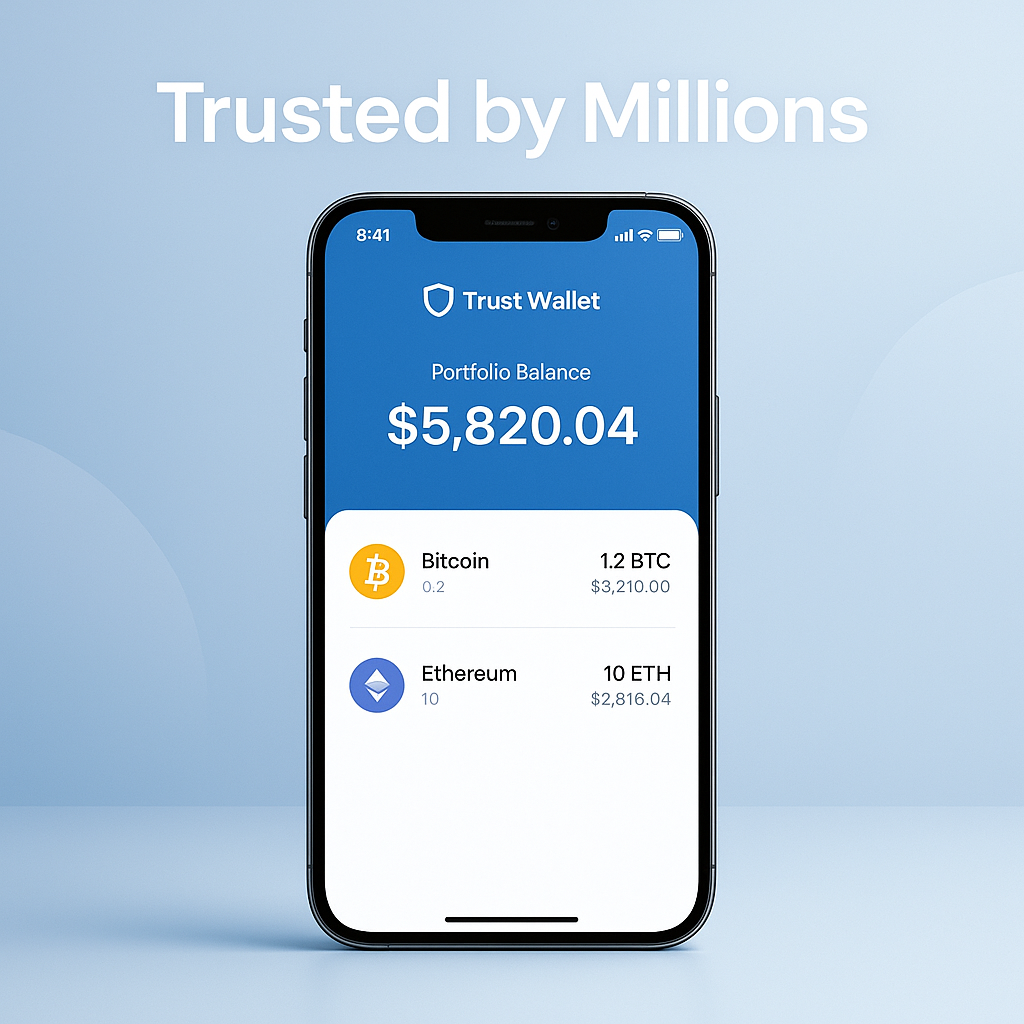
Managing cryptocurrency transactions across multiple blockchain networks often comes with a hidden challenge: gas fees. These transaction costs can quickly add up, especially when you’re actively trading, participating in DeFi protocols, or collecting NFTs. Trust Wallet, the most trusted multi-chain cryptocurrency wallet, provides built-in tools and features to help you understand and optimize your Trust Wallet gas fees effectively.
Whether you’re a seasoned crypto investor or just starting your Web3 journey, understanding how to reduce gas fees Trust users pay can significantly impact your overall investment returns. With support for over 10 million tokens across 100+ blockchains, Trust Wallet gives you the flexibility to choose cost-effective networks while maintaining full control of your digital assets through its self-custodial approach.
In this comprehensive resource, you’ll discover practical strategies for gas optimization Trust Wallet offers, learn about network fees Trust Wallet displays transparently, and understand how to minimize transaction cost Trust operations require. From choosing the right blockchain networks to timing your transactions strategically, we’ll cover everything you need to know about managing fees in your mobile crypto wallet.
Understanding Gas Fees in Trust Wallet
Gas fees represent the cost of processing transactions on blockchain networks. When you send cryptocurrency, swap tokens, or interact with decentralized applications through Trust Wallet’s built-in DApp browser, you’re paying miners or validators to process your transaction. These network fees Trust Wallet displays vary significantly depending on network congestion, transaction complexity, and the blockchain you’re using.
Trust Wallet’s transparent fee structure shows you exactly what you’ll pay before confirming any transaction. Unlike custodial exchanges that may hide fees in spreads or charge additional withdrawal fees, this Web3 wallet displays all costs upfront. The self-custodial nature of Trust Wallet means you’re interacting directly with blockchain networks, giving you complete control over your fee preferences.
Different blockchain networks have vastly different fee structures. Ethereum typically has higher fees due to network demand, while networks like Binance Smart Chain, Polygon, or Solana offer significantly lower transaction costs. Trust Wallet’s multi-chain support allows you to choose networks that align with your budget and transaction needs.
How Trust Wallet Displays and Calculates Fees
Trust Wallet provides complete transparency when it comes to transaction fees. Before confirming any transaction, you’ll see a detailed breakdown showing the exact gas fee required. The mobile crypto wallet automatically calculates optimal fees based on current network conditions, but also allows advanced users to customize their fee settings.
The wallet displays fees in both the network’s native token (like ETH for Ethereum or BNB for BSC) and your local currency equivalent. This dual display helps you understand the real cost of your transactions. For DeFi interactions through the integrated DApp browser, Trust Wallet will show estimated fees for complex smart contract operations before you commit.
Trust Wallet’s fee estimation algorithm considers current network congestion and historical data to provide accurate fee predictions. The wallet typically offers three fee options: slow (cheaper but longer confirmation), standard (balanced approach), and fast (higher cost but quicker processing). This flexibility allows you to prioritize either cost savings or transaction speed based on your specific needs.
Strategies to Reduce Gas Fees Trust Wallet Users
One of the most effective ways to minimize your Trust Wallet gas fees is choosing the right blockchain network for your activities. Trust Wallet supports numerous low-cost alternatives to Ethereum, including Binance Smart Chain, Polygon, Avalanche, and Fantom. Many popular DeFi protocols and NFT marketplaces now operate on these cost-effective networks.
Timing your transactions strategically can lead to substantial savings. Network fees fluctuate throughout the day based on global usage patterns. Typically, fees are lower during weekends and off-peak hours when fewer people are actively transacting. Trust Wallet’s real-time fee display helps you identify optimal timing for your transactions.
Batching transactions is another powerful cost-saving strategy. Instead of making multiple small transactions, consider consolidating your activities. For example, if you’re buying several NFTs or making multiple DeFi investments, planning these activities together can reduce your overall gas optimization Trust wallet expenses significantly.
Multi-Chain Flexibility for Cost Optimization
Trust Wallet’s extensive multi-chain support is your gateway to significant fee savings. With over 100 supported blockchains, you have numerous options for every type of crypto activity. Layer 2 solutions like Polygon and Arbitrum offer Ethereum compatibility at a fraction of the cost, while independent networks like Solana and BSC provide their own thriving ecosystems.
The wallet’s seamless network switching feature allows you to move between different blockchains effortlessly. You can hold the same tokens on multiple networks and choose the most cost-effective option for each transaction. For instance, you might hold USDT on Ethereum for major transactions but use the BSC version for smaller, frequent trades.
Trust Wallet’s built-in bridge features and partnerships with cross-chain protocols make it easy to move assets between networks when beneficial. This flexibility ensures you’re never locked into high-fee networks when more economical alternatives are available for your specific use case.
DeFi and NFT Fee Management
When using Trust Wallet’s DApp browser for DeFi activities, understanding fee structures becomes crucial. Complex smart contract interactions like yield farming, liquidity provision, or governance voting typically require higher gas fees than simple token transfers. The wallet’s fee estimation shows you these costs before you commit to any DeFi protocol.
For NFT enthusiasts, Trust Wallet’s NFT gallery integration helps you manage collectibles across multiple networks. Minting, buying, and selling NFTs can be expensive on Ethereum, but alternatives like Polygon, BSC, or Solana offer vibrant NFT ecosystems with much lower fees. The wallet’s multi-chain NFT support lets you explore these cost-effective options.
Trust Wallet’s WalletConnect integration allows you to connect with hundreds of DeFi platforms and NFT marketplaces. Before connecting to any platform, compare the network fees across different blockchains where the same protocols might be available. Many major DeFi projects now deploy on multiple networks specifically to offer users more affordable options.
Advanced Fee Optimization Techniques
Power users can leverage Trust Wallet’s advanced features for even greater fee optimization. The wallet allows manual gas price adjustment for supported networks, giving experienced users control over their transaction prioritization. Setting lower gas prices can significantly reduce costs when you’re not in a hurry for confirmation.
Understanding token standards across different networks can also impact your fees. For example, BEP-20 tokens on Binance Smart Chain typically cost less to transfer than their ERC-20 counterparts on Ethereum. Trust Wallet clearly displays which network version of tokens you’re holding, helping you make informed decisions about which to use for transactions.
The wallet’s transaction history provides valuable insights into your fee spending patterns. Reviewing your past transactions helps identify opportunities for optimization and better understand which activities are driving your highest costs. This data-driven approach enables more strategic decision-making about future transactions.
Security Considerations When Optimizing Fees
While reducing transaction costs is important, Trust Wallet prioritizes security alongside fee optimization. The self-custodial nature of the wallet means your private keys remain under your control, regardless of which network you choose for cost savings. Your recovery phrase provides access to your funds across all supported networks.
When exploring lower-cost networks, Trust Wallet’s security features remain constant. Biometric authentication, secure key storage, and transaction confirmation screens protect your assets regardless of the blockchain you’re using. The wallet’s open-source architecture ensures transparency and security across all supported networks.
Be cautious when interacting with DApps on newer or less established networks. While Trust Wallet provides secure access to these protocols, always verify the legitimacy of smart contracts and platforms before interacting. The wallet’s built-in security warnings help identify potentially risky interactions.
Conclusion
Mastering Trust Wallet gas fees is essential for anyone serious about crypto investing and Web3 participation. With the strategies and tools outlined in this guide, you can significantly reduce your transaction costs while maintaining full control over your digital assets. Trust Wallet’s multi-chain support, transparent fee display, and flexible optimization features make it the ideal choice for cost-conscious crypto users.
The combination of self-custodial security, extensive blockchain support, and user-friendly interface positions Trust Wallet as the perfect solution for managing cryptocurrency across multiple networks efficiently. Whether you’re trading, participating in DeFi, or collecting NFTs, the wallet’s comprehensive features help you navigate the crypto landscape while minimizing unnecessary fees.
Ready to take control of your crypto transaction costs? Download Trust Wallet today and start optimizing your fees across 100+ blockchain networks. Join millions of users who trust this powerful mobile crypto wallet to secure their digital assets while maximizing their investment potential through smart fee management.
Frequently Asked Questions
How can I reduce gas fees when using Trust Wallet?
You can reduce gas fees by choosing lower-cost blockchain networks like BSC, Polygon, or Solana instead of Ethereum. Time your transactions during off-peak hours, batch multiple transactions together, and use Trust Wallet’s fee customization options to set lower gas prices when you’re not in a hurry.
Which blockchain networks have the lowest fees in Trust Wallet?
Binance Smart Chain, Polygon, Solana, Avalanche, and Fantom typically offer the lowest transaction fees. These networks often cost less than $1 per transaction compared to Ethereum’s fees which can range from $10-100+ during peak times.
Does Trust Wallet charge additional fees on top of network fees?
No, Trust Wallet is self-custodial and only displays the actual blockchain network fees. The wallet doesn’t add additional charges for transactions, unlike some custodial services. You only pay the gas fees required by the specific blockchain network you’re using.
Can I customize gas fees in Trust Wallet?
Yes, Trust Wallet allows advanced users to customize gas fees on supported networks. You can choose between slow, standard, and fast options, or manually set gas prices for optimal cost-speed balance based on your specific needs.
Why do gas fees vary so much between different times?
Gas fees fluctuate based on network congestion. During peak usage times, more people compete for block space, driving fees higher. Off-peak hours, weekends, and different time zones typically see lower network activity and correspondingly lower fees.
Are DeFi transactions more expensive than regular transfers?
Yes, DeFi transactions typically cost more because they involve complex smart contract interactions rather than simple token transfers. Trust Wallet shows estimated fees for DeFi operations before you confirm, helping you understand the costs involved.
How do I check current gas fees before making a transaction?
Trust Wallet displays current gas fees before you confirm any transaction. You’ll see the fee in both the network’s native token and your local currency. The wallet updates these estimates in real-time based on current network conditions.
Can I cancel a transaction if gas fees are too high?
Yes, you can cancel any transaction before confirming it in Trust Wallet. Once you see the gas fee estimate, you can choose to cancel and wait for better conditions or switch to a lower-cost network for your transaction.
What happens if I set gas fees too low?
If you set gas fees below the network minimum, your transaction may fail or take much longer to confirm. Trust Wallet’s automatic fee estimation helps prevent this by suggesting appropriate fees based on current network conditions.
Do NFT transactions have different fee structures?
NFT transactions follow the same fee structure as other smart contract interactions on each network. However, minting and trading NFTs often involve more complex operations, potentially resulting in higher gas fees. Trust Wallet’s multi-chain NFT support lets you choose cost-effective networks for your NFT activities.
How do bridge transactions affect gas fees?
Bridge transactions typically require fees on both the source and destination networks. Trust Wallet clearly displays these costs when you use cross-chain features, helping you understand the total cost of moving assets between different blockchains.
Is it safe to use lower-cost blockchain networks?
Yes, Trust Wallet supports established, secure networks with lower fees like BSC, Polygon, and Avalanche. The wallet maintains the same security standards across all networks, including secure key storage, biometric authentication, and transaction verification regardless of which blockchain you choose.


Appreciate the detail, especially about WalletConnect. Wasn’t aware of these nuances before. Really appreciate this guide. Highly recommend. Thanks again! Great resource. Highly recommend. Great resource.
Perfect timing, how you covered getting started. Comprehensive and clear. Will keep an eye out for new posts! Thanks again! Thanks again! Well done! Great resource. Thanks again! Very helpful! Great resource.
Comprehensive guide, those wanting to understand DeFi integration better. Well explained. Everything explained clearly. Highly recommend. Well done! Great resource. Great resource. Very helpful! Great resource.
Really appreciated particularly useful insights on NFT gallery and NFT management. Finally figured this out, big thanks! Thanks again! Very helpful! Thanks again! Very helpful! Highly recommend. Great resource.
Good article for the focus on NFT support. This is exactly what beginners need. Great work by the author! Great resource. Great resource. Very helpful! Thanks again! Very helpful! Highly recommend. Well done!
Great guide! your recommendations on WalletConnect. Will definitely implement these. Very helpful and practical. Very helpful! Well done! Great resource. Highly recommend. Thanks again! Thanks again! Thanks again!
Well-structured material. helped solve my wallet setup. Recommend to everyone interested. Exactly what I was searching for. Thanks again! Thanks again! Highly recommend. Highly recommend. Thanks again!
Bookmarked this, was looking for info about DApp browser, found everything here. Exactly what I was searching for. Highly recommend. Thanks again! Thanks again! Well done! Highly recommend. Well done!
Thanks for the article! particularly useful insights on DApp browser and DeFi integration. Bookmarked for future reference. Very helpful! Very helpful! Well done! Very helpful! Thanks again! Well done!
Very useful information, your recommendations on multi-chain support. Will definitely implement these. Great work by the author! Great resource. Highly recommend. Very helpful! Thanks again! Very helpful!
Really appreciated was looking for info about DApp browser, found everything here. Very helpful and practical. Very helpful! Highly recommend. Thanks again! Well done! Well done! Thanks again! Highly recommend.
Exactly what I was looking for, valuable information about WalletConnect that’s hard to find elsewhere. Bookmarked for future reference. Well done! Well done! Thanks again! Very helpful! Great resource.
Excellent article, loved the part about mobile security. Everything is clear even for beginners. Highly recommend this resource. Highly recommend. Highly recommend. Highly recommend. Well done! Great resource.
Very informative, the comparison section was especially helpful and informative. Exactly what I was searching for. Great resource. Highly recommend. Very helpful! Very helpful! Thanks again! Thanks again!